
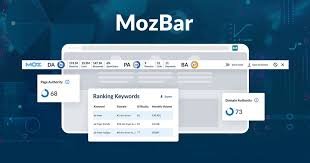
MozBar might look simple, but it is a powerful SEO weapon. This Chrome extension gives instant SEO data while you browse any site. With AI-driven search engines reshaping rankings, speed and accuracy matter more than ever. SEO is no longer just about keywords it’s about authority, experience, and engagement.
MozBar delivers real-time insights that help spot ranking signals before algorithms shift again. In an era where Google’s Helpful Content update has merged into its core, smart analysis is critical. Let’s explore how MozBar helps build strong SEO strategies that survive Google and AI disruption.
What MozBar Is and How It Works
MozBar is a browser extension from Moz that displays SEO metrics on the go. It overlays data as you search or visit any website.
Key features include:
- Page Authority (PA) and Domain Authority (DA)
- Link metrics (external, internal, nofollow)
- On-page SEO elements (titles, meta, headings)
- SERP overlay for competitive analysis
How it works:
- Install MozBar from the Chrome Web Store.
- Sign in with a free or Pro Moz account.
- Click the MozBar icon while browsing to view live SEO data.
Example:
A content marketer uses MozBar to check DA before pitching a guest post.
Why MozBar Matters for SEO in 2025+
Google and AI search engines prioritize authority and trust more than ever. MozBar makes these abstract concepts measurable. With a quick scan, marketers see if a page is worth targeting or competing against.
This matters because:
- AI tools like ChatGPT reference high-authority sources
- Google weighs site reputation when ranking YMYL content
- Helpful Content signals now focus on depth and expertise
Without tools like MozBar, it’s easy to waste effort on low-value sites.
Pro Tip: Focus on building links only from sites with DA 40+ and niche relevance.
Measuring Authority Metrics with MozBar
Authority metrics indicate how likely a page or site will rank. MozBar displays these instantly on any page or SERP.
What to check:
- Domain Authority (DA): Predicts entire site strength.
- Page Authority (PA): Predicts individual page strength.
- Linking Root Domains: Counts unique domains linking in.
Why it matters:
High authority correlates with strong rankings and AI citation potential.
How to apply it:
- Search your target keyword in Google.
- Toggle MozBar’s SERP overlay.
- Note the DA/PA of ranking pages.
- Aim to beat their metrics through better content and links.
Example:
If all top 10 results have DA 70+, target a lower competition keyword first.
Analyzing Link Profiles Quickly
Backlinks remain a core ranking signal. MozBar lets users see link counts and types without opening complex tools.
Metrics shown:
- External links
- Internal links
- Follow vs. nofollow links
Why it matters:
AI search tools value link profiles as signals of trust and authority.
Step-by-step:
- Visit a competitor’s high-ranking page.
- Click MozBar → “Link Metrics.”
- Export and analyze referring domains and follow links.
Example:
A blogger uses MozBar to find which sites link to their competitors, then builds outreach lists.
On-Page SEO Checks in Seconds
MozBar highlights on-page elements instantly. This helps spot weaknesses and over-optimization risks.
It shows:
- Title tags
- Meta descriptions
- H1, H2 headings
- Schema markup presence
Why it matters:
Clean on-page SEO improves CTR, dwell time, and reduces pogo-sticking key UX metrics.
How to apply:
- Turn on “Page Analysis” in MozBar.
- Check if target keywords appear naturally.
- Confirm there’s no keyword stuffing or missing metadata.
Pro Tip: Keep title tags under 60 characters and meta descriptions under 155.
Comparing MozBar with Other SEO Toolbars
| Feature | MozBar | Ahrefs Toolbar | SEOquake |
| Domain/Page Authority | ✅ Yes | ❌ No (uses DR/UR) | ❌ No |
| Link Metrics | ✅ Yes | ✅ Yes | ✅ Yes |
| On-Page Elements | ✅ Yes | ✅ Yes | ✅ Yes |
| SERP Overlay | ✅ Yes | ✅ Yes | ✅ Yes |
| Free Plan | ✅ Yes | ❌ Limited | ✅ Yes |
Why MozBar stands out:
It combines link and authority metrics in one lightweight toolbar. This reduces the need to open full dashboards while researching.
Bonus Tip: Pair MozBar with full Moz Pro for deeper link audits and keyword tracking.
Spotting Content Gaps and Thin Pages
Thin content hurts rankings and gets ignored by AI search. MozBar helps identify weak pages fast.
Steps:
- Open each page in your site structure.
- Check PA and link metrics.
- Low PA + few links = likely thin content.
Why it matters:
Cutting weak content boosts site averages and improves crawl efficiency.
Example:
A site owner prunes 200 low-PA blog posts, boosting average DA from 35 to 42.
Supporting EEAT With MozBar Insights
Google wants content that shows Expertise, Experience, Authority, and Trust (EEAT). MozBar reveals signals tied to these factors.
Look for:
- High DA/PA backlinks
- Strong linking domains in your niche
- Pages with high engagement metrics
How to use:
- Review competitor content that ranks.
- Check their DA, backlinks, and on-page structure.
- Match or exceed their EEAT signals in your new content.
Pro Tip: Include author bios, credentials, and publish dates to boost trust signals.
Navigating AI-Driven SERPs and Zero-Click Search
AI-driven SERPs often pull from the highest-authority pages. Zero-click answers mean users may never visit your site.
MozBar helps by:
- Showing which pages earn featured snippets
- Highlighting DA of those sources
- Helping pick keywords where you can realistically win
How to apply:
- Search target queries.
- Use MozBar to check snippet-winning sites’ DA/PA.
- Create better, deeper content than those pages.
Example:
If snippets all come from DA 90+ sites, focus on long-tail keywords first.
Building a Long-Term SEO Strategy with MozBar
MozBar is not just for quick audits. It should guide long-term planning.
Use it to:
- Track competitors’ growth in DA/PA
- Prioritize link-building targets
- Monitor your site’s authority gains over time
Why it matters:
Google favors consistent, steady growth not sudden, spammy spikes. AI search engines also reference brands with strong historical authority.
Bonus Tip: Export monthly MozBar data to benchmark your progress.
Diversifying Traffic Beyond Google Using MozBar
Relying only on Google is risky as algorithms change. MozBar supports broader traffic strategies.
How:
- Evaluate authority of social profiles you collaborate with
- Check DA of sites where you place guest content
- Assess backlink quality from YouTube, Pinterest, or LinkedIn bios
Why it matters:
Strong external profiles boost brand signals, which influence AI ranking models.
Example:
A brand builds links from high-DA LinkedIn articles, boosting both referral traffic and DA.
Conclusion: Make MozBar Part of Your Daily SEO Routine
MozBar may look small, but it delivers big competitive insights fast. It tracks authority, audits on-page SEO, and reveals backlink quality at a glance. These data points align with what Google and AI models now prioritize authority and experience. Using MozBar daily helps avoid over-optimization, cut weak pages, and find growth opportunities. SEO in 2025 rewards brands that adapt fast and maintain trust. Start using MozBar today, and make it the foundation of your SEO decisions.