
preloader icon
Digital Marketing vs. Traditional Marketing

Digital Marketing vs. Traditional Marketing: A Strategic Analysis

I’ll be honest with you I never thought I’d care much about marketing. Back in school, it just sounded like one of those buzzwords business folks used while drinking coffee in tall glass buildings. But then life hit me. I saw how a single billboard on a busy road could get stuck in your head for days. Or how one ad on Instagram made me buy something I didn’t even need. Funny thing is… both of those are marketing, just different flavors. That’s what this whole talk is about digital marketing vs. traditional marketing. Two sides of the same coin, both trying to grab your attention (and, let’s be real, your money). But the way they do it? That’s where things get interesting. The Old School: Traditional Marketing Let’s start with the classics. Traditional marketing is everything you’ve probably grown up with TV ads, radio jingles, flyers shoved in your mailbox, newspapers with those half-page spreads, and of course, billboards. I remember as a kid, sitting in the living room, hearing those same TV ads over and over. You didn’t even want the product, but you could hum the jingle without messing up a word. That’s traditional marketing working its magic. The thing about it is it’s big, broad, and loud. It doesn’t whisper your name. It shouts to the crowd and hopes you’re listening. And for decades, it worked. People bought cars because they saw them on glossy magazine covers. Families picked restaurants because of radio commercials. It was the way to do business. But here’s the downside it’s expensive. Printing, air time, physical space. Not every small shop can throw money at a TV spot. Plus, it’s hard to measure. Like, you put up a billboard… but did anyone actually buy from you because of it? Who knows. The New Kid: Digital Marketing Now fast forward to today. Phones in our hands, Wi-Fi everywhere, TikTok clips looping at 2 a.m. Welcome to the digital battlefield. Digital marketing is about meeting people where they already are online. That could be social media ads, Google search results, YouTube sponsorships, influencer shoutouts, email newsletters. The list doesn’t end. Here’s the cool part you can actually track what’s happening. You run an ad, and boom, you see clicks, conversions, impressions. Data everywhere. That’s something traditional marketing could never dream of. And the cost? Much lower. A small bakery can run a Facebook ad targeting just their neighborhood moms. No need for a city-wide billboard. You can be specific laser focused. But don’t get too comfortable. Digital marketing has its own mess. Algorithms change faster than moods. What worked last month might be useless today. And let’s not forget the overload ads are everywhere, so people ignore them more and more. Head-to-Head: Where They Differ So how do these two giants stack up? Let’s break it down quickly. But truth be told, it’s not always about which is better. Sometimes, it’s about what fits your situation. A Little Story Let me give you an example. A few years back, a friend of mine opened a small gym. He was so hyped bought all the equipment, painted the walls, even set up a protein shake counter. But here’s the thing: no one came. He printed flyers, pinned them at grocery stores, even paid for a local newspaper ad. The calls? Zero. People just didn’t notice. Then one day, he made a funny video of himself struggling with a squat bar and posted it on Instagram. It wasn’t even planned marketing it was just him being silly. Guess what? It got shared around. Suddenly, people from the same neighborhood started showing up. They recognized him, they felt connected. That’s the shift right there. Traditional marketing can plant seeds, but digital often sparks connections in a more personal way. Where Traditional Still Wins Now, I don’t want you thinking traditional is dead. It’s not. Far from it. Big brands still pour millions into Super Bowl ads. Why? Because when half the country is watching the same thing at the same time, you can’t beat that exposure. Billboards still work for local awareness ever noticed how restaurants near highways put up huge signs? Works every time. And honestly, there’s a trust factor. People see a big glossy ad in Time magazine and think, “This brand must be legit.” There’s a sense of authority that digital sometimes struggles with. Where Digital Shines Brightest On the flip side, digital marketing gives power back to the little guy. You don’t need a million-dollar budget. Just some creativity, consistency, and a decent understanding of the platforms. Think about influencers half of them started in their bedrooms making random videos. Now brands pay them thousands because their audience actually listens. That’s the magic of digital it feels personal, direct, and current. Plus, it lets you adapt fast. You notice your ad isn’t working? Change it today. Try a new design. A new headline. Traditional doesn’t give you that flexibility. Blended Strategy: Why Not Both? Here’s a wild thought what if we stop treating them like enemies? What if digital and traditional could actually work together? Picture this: a brand launches a product with a big TV ad (traditional) and then continues the conversation online with hashtags, challenges, and behind-the-scenes videos (digital). Suddenly, people don’t just see the ad; they engage with it. That’s what a lot of smart companies are doing using both worlds to their advantage. A Quick Imperfect List (because life’s messy) When should you go traditional? When should you lean digital? But honestly, sometimes you won’t know until you try. The Emotional Side of Marketing Now here’s something people forget: marketing isn’t just numbers and reach. It’s emotions. Traditional marketing makes you feel part of something bigger like everyone’s watching that same Coca-Cola Christmas ad. It’s shared culture. Digital marketing, though, feels more intimate. It’s like a friend sliding into your DMs with a product recommendation. Both tap into emotions, just in different ways. And that’s why it’s

Read More
How Coyyn.com Works for Digital Business

How Coyyn.com Works for Digital Business

I’ll be honest with you when I first stumbled on Coyyn.com, I wasn’t sure what to make of it. Another platform? Another tool claiming to “revolutionize” digital business? You’ve seen those flashy banners before. But funny thing is, Coyyn doesn’t exactly scream at you with bold promises. It’s more like… a quiet engine running in the background, making things work. And sometimes that’s the real power: the stuff that doesn’t brag. Now, before we dive into the mechanics, let me just say this. Digital business today isn’t like what it was even five years ago. Back then, setting up a website and throwing some ads around could actually get you somewhere. Now? You’re competing with AI, algorithms, and a world that scrolls faster than you can think. If you don’t have your systems straight, you’re toast. Coyyn.com claims to help with that. Not magic. Not shortcuts. Just structure that lets you run without burning out. The Heart of Coyyn.com So what is Coyyn.com really doing? Think of it as a backbone for digital transactions and connections. It’s not about being the “flashiest” platform it’s about reliability. You know that old friend who never posts much on social media but always shows up when you need him? Coyyn kind of feels like that. It mainly works by creating a secure and smooth environment where businesses can handle digital payments, manage clients, and keep track of their operations. Not glamorous. But crucial. Because what’s the point of having 100,000 visitors if your checkout crashes or your invoices get lost? I remember this one friend who started a small online clothing brand. Everything was fine until orders doubled during a holiday season. His old system collapsed people paid, but the records got messy. Refunds were late, and angry customers flooded in. That’s the type of storm Coyyn is built to weather. It keeps the pipes unclogged so the water keeps flowing. Why Digital Businesses Even Need It Sometimes people ask me, “But why do I even need something like Coyyn? Can’t I just use PayPal or Stripe?” And yeah, you can. Nobody’s stopping you. But here’s the kicker: those tools are like individual bricks. Coyyn feels more like the wall. It doesn’t just process money; it integrates different parts of your digital hustle. Payments, client management, analytics keeping them tied together instead of scattered. You know how losing one password can ruin your entire day? Imagine losing track of one data stream in your business. That’s worse. Let me put it another way. Coyyn isn’t there to make you “look” better. It’s there so you work better. And most businesses, deep down, need that more. How It Works Day to Day Picture yourself running an online course. You’ve got people signing up, paying, emailing you questions, and expecting access to content right away. A mess, right? Coyyn slots in like an invisible assistant: And the best part if something goes wrong, you’re not sitting there digging through 20 different apps trying to figure out where the chain broke. Coyyn consolidates. One dashboard, one heartbeat. I’ll admit, when I saw the interface, it wasn’t the “prettiest” thing in the world. But you know what? Function beats fashion here. It’s like a well-used notebook not sleek, but dependable. The Trust Factor Now, truth be told, trust is the real currency of digital business. You can have all the fancy tech in the world, but if your customers don’t feel safe hitting “pay now,” you’re done. Coyyn works behind the curtain to build that safety net. Encryption, verified transactions, fraud monitoring all those boring-but-essential things. You might laugh, but it’s kind of like having a lock on your diary. Maybe nobody wants to read it, but the fact that it’s locked? Gives you peace of mind. That’s what Coyyn offers for your business. Customers can relax. You can relax. A Bit Messy, But That’s Real I’ll be straight with you no platform is perfect. Coyyn isn’t some superhero swooping in to fix every single problem. Sometimes the setup takes longer than you’d like. Sometimes you wish the reporting was a little fancier. And then well, you know how it goes updates come out, bugs get fixed, things improve. But here’s what matters: it works consistently where it counts. Payments, records, trust. Everything else is cosmetic. And honestly, in business, cosmetics fade fast. The Ripple Effect on Growth Here’s where Coyyn gets interesting. Once your foundation is stable, you stop firefighting. And when you’re not constantly putting out fires, you can actually grow. It’s kind of wild how many businesses never scale simply because they’re buried under messy systems. Think about it. If you’re spending 60% of your energy fixing mistakes, chasing down lost transactions, or explaining delays to customers, how much is left for marketing, strategy, creativity? Not much. Coyyn clears the clutter. I’ve seen folks go from crawling to sprinting just because their backend stopped being a nightmare. It’s not glamorous, but it’s freedom. Who It’s Really For This part’s important. Coyyn isn’t for everyone. If you’re just dabbling like selling two T-shirts a month it might feel like overkill. But if you’re serious, if you actually want your digital business to be more than a side hobby, that’s where it fits. Small-to-medium businesses. Freelancers scaling into agencies. Online course creators. Digital shops that actually care about smooth transactions. That’s the tribe. Because here’s the truth: at a certain point, duct tape solutions just don’t cut it anymore. Funny Story… A buddy of mine once tried to “hack” his way around tools like Coyyn. He had this Frankenstein setup: payments through one app, customer access through another, analytics through yet another. It worked fine until he went on vacation. One glitch, and he spent half the trip calling support lines instead of enjoying the beach. When he finally gave in and streamlined with Coyyn, he laughed about it later. Said, “Man, I should’ve just done this months ago.” That’s kind of the pattern. People

Read More
Dauphin Travel Marketing

Dauphin Travel Marketing: Guide to Boost Your Tourism Brand

Dauphin Travel Marketing is a specialized marketing agency focused on helping tourism businesses, hotels, resorts, tour operators, destination management organizations, and even local governments, stand out in a crowded digital world. Think of it as a one-stop shop for promoting your travel brand, where expert storytelling combines with data-driven strategy. Although “Dauphin” might evoke the French dauphin (crown prince), in this context it’s simply a brand name. Their mission? To take travel brands from “nice to have” to “must-visit” using SEO, content, social media, influencers, and more. Where Is Dauphin Travel Marketing Based—and Who Do They Serve? While Dauphin Travel Marketing primarily operates in North America and Europe, their services are global. They work with: Destination marketing organizations (DMOs) promoting entire cities or regions Hotels and resorts aiming to stand out in OTAs like Booking.com and Airbnb Tour and activity providers, from cooking classes to wildlife safaris Cruise lines, airlines, and travel accessory brands They serve a wide range of travel segments—including leisure, adventure, luxury, eco-tourism, weddings, and business travel—tailoring strategies to each niche. Why Travel Marketing Is More Important Than Ever Post-Pandemic Travel Boom Tourism analysts like Skift report that travel is experiencing a major rebound, with people eager to travel again. However, this also means more competition than ever—making effective marketing crucial. Digital-First Travelers Research from Think with Google shows that most modern travelers research trips online long before booking. They compare reviews, browse Instagram, and read blog posts—meaning your brand needs strong SEO and a compelling digital voice. Visuals Are King Sites like Instagram, Pinterest, and YouTube influence travel decisions dramatically. That’s why Dauphin prioritizes high-quality photos and videos to help destinations shine. Core Services Offered by Dauphin Travel Marketing Dauphin Travel Marketing offers a full suite of services tailored to travel brands. Here’s how they empower your business: SEO (Search Engine Optimization) Keyword research to uncover high-volume terms like “best boutique hotels in Paris.” On-page optimization, including meta tags, headings, fast loading times, and mobile friendliness. Content creation with blogs, listicles, destination guides, and FAQ pages. Example: A blog post titled “10 Secret Hiking Trails in Banff” helps your site rank organically and attract outdoor adventure seekers. PPC (Pay-Per-Click Advertising) Google Ads and Microsoft Ads to reach travelers searching with high intent. Retargeting and lookalike audience campaigns on social media like Facebook and Instagram. Tip: A $10/day campaign targeting “family beach resorts Florida” can yield bookings during shoulder season. Content Marketing Creation of blog posts, destination guides, city roundups, and local event lists. Visual storytelling through professionally shot photo series and short videos. Tip: Embed Instagram and YouTube videos to increase on-page dwell time—an SEO win. Email Marketing Newsletters highlighting seasonal events, flash deals, and travel tips. Automated nurturing campaigns targeted by past travel behavior or interests. Example: A resort might send a “Summer Flight + Hotel Package” offer subject-lined “Your escape to Maui: Save 20%!” Social Media Marketing Strategy and content planning featuring reels, stories, and carousel posts for Facebook and Instagram. Community management: responding to inquiries, reshares, and monitoring hashtags. Tip: Respond to every comment and DMs—you build trust and increase engagement. Influencer Campaigns & Press Trips Micro-influencer partnerships; nano-influencers can deliver high engagement for lower cost. Hosted press trips in collaboration with niche travel journalists and local bloggers. Example: Invite a food influencer to review your hotel’s restaurant—post content on Instagram and embed on your site. Event Marketing & Travel Expos Booth strategy, collateral design, lead capture, and follow-up emails. Destination-specific showcases at events like ITB Berlin, WTM London, and SATTE Delhi. Web Design & Development Mobile-first, lightning-fast, secure websites designed to convert visitors. Integrated booking engines or connections to OTAs and CRS systems. Tip: A clean website with clear call-to-actions (“Book Now” buttons) can increase conversion by 15%. What Makes Dauphin’s Approach Unique? Storytelling with a Local Flair Dauphin excels at weaving local stories—traditions, legends, folklore—into campaigns that resonate emotionally. A hotel campaign might feature interviews with long-time staff or local chefs to add authenticity best for local seo. Data-Driven Strategy They use tools like SEMrush, Ahrefs, Google Analytics, and Tag Manager for experiments, tracking, and continuous improvement. A/B testing for headlines, images, and calls-to-action help optimize campaigns. Multi-Channel Integration Their approach integrates SEO, PPC, email, content, and social—not done in isolation—to cover the full travel funnel. Emerging Tech Adoption AI chatbots for 24/7 customer support and real-time queries. AR/VR tours for hotels and attractions. Dynamic pricing tools synced with demand data. Case Studies: Dauphin’s Real-World Wins Case Study 1: Boutique Hotel in Provence Problem: Seasonal occupancy slump. Solution: SEO-rich destination guides, paid Instagram campaigns targeting sun-seekers, email promos. Result: 35% YOY growth during shoulder seasons. Case Study 2: Adventure Tour Operator, New Zealand Problem: Low web visibility for guided hikes. Solution: Blog-rich long-tail keywords like “guided Milford Track hike tips”; partnering with outdoor travel influencers. Result: Organic traffic up 75% and bookings up 50%. Case Study 3: Regional DMO in Portugal Problem: Lack of awareness outside Portugal. Solution: Press trips featuring US travel journalists, content syndication in leading US publications, paid ads. Result: Destination mentions rose 4X; US-based visitor inquiries increased by 60%. SEO & SBO (Search, Browsability & Optimization) Best Practices Optimized URL Structures Simple, keyword-rich URLs: yourdomain.com/blog/paris-travel-guide. Meta Titles & Descriptions Include target keywords; keep meta titles ≤60 characters and meta descriptions ≤155 characters. Header Tags (H1–H3) Use descriptive, Q&A-style headers like: H1: Ultimate Guide to Goa Honeymoon Resorts H2: What to Expect from Goa Resorts Internal Linking Link blogs to each other and to main service pages to spread link equity. Image Alt Text Describe images intelligently: “female traveler walking through lavender fields, Provence.” Fast Page Speed Optimize images using lazy loading, minified CSS/JS, and clean hosting. Mobile-Friendliness Google’s Mobile-Friendly Test and PageSpeed Insights are essential tools. Rich Snippets (SBO Advantage) Use schema markup for: Local Business (nested properties: address, opening hours, geo). FAQPage for expandable sections. BreadcrumbList for better search visibility. Content Depth & Seniors Aim for 1,500+6,000 words in travel content with at least 1000+ relevant outbound links and internal links. Use CTAs every 300–400 words. Tech & Trend Spotlight AI &

Read More
Local SEO Services by Garage2Global

Convert Website Visitors with Garage2Global

You ever notice how some websites just… don’t stick? Like, you land there, scroll a little, and before you know it, you’re closing the tab without even realizing why. Happens to me all the time. Funny thing is, it’s usually not about the product being bad. It’s that the site never pulled me in, never gave me a reason to trust or care. That’s where this whole idea of “convert website visitors with Garage2Global” comes in. And yeah, I know that sounds like another buzzword-y pitch. But hear me out. Converting isn’t about tricking people into buying it’s about creating a moment where they feel, “Oh, this is for me.” And Garage2Global? It’s basically that bridge. A platform, a system, a method (call it what you want) that helps businesses move from being that “garage project” vibe to actually playing on a bigger stage. Global. Why Most Sites Don’t Convert (And It’s Not What You Think) People assume low conversions mean you need fancier design. Maybe a slicker logo, maybe more animations. Nah. Truth be told, conversions tank because visitors don’t feel understood. Imagine walking into a store where the guy at the counter doesn’t even look at you. The shelves are full, sure, but you’re invisible. That’s what a cold website feels like. Most visitors bounce because: I remember back when I was helping a friend with his little e-commerce thing. He was selling custom bike parts. The site looked fine. Clean, professional. But no one was buying. We tweaked the design a dozen times. Nothing. Then one night I told him, “Bro, your site doesn’t sound like you. It sounds like a manual.” We rewrote the copy, added his story about fixing bikes in his garage since high school, and bam sales doubled in a month. That’s converting. What Garage2Global Actually Does Let me strip away the jargon. Garage2Global is about transformation. Think of it like this: you’ve got a small spark your website, your product, your message. But it’s stuck in local mode. Garage2Global helps you shape that spark into something brighter, something people across the world can connect with. It’s not just traffic (everyone obsesses about traffic). Traffic’s pointless if it’s leaking out like water from a cracked bucket. What you need is a system that: Because here’s the kicker people don’t buy logic first. They buy emotion, then justify with logic. Garage2Global gets that. The Human Side of Conversions Ever been on a date where everything seemed perfect on paper, but there was just no spark? That’s a website without conversions. You might laugh, but websites are like relationships. You can’t just throw info at someone and expect them to commit. You’ve gotta show character. Personality. A little vulnerability even. When I stumbled onto Garage2Global’s approach, what clicked for me was how much they leaned into story. Not just features. Not just stats. But the real human element why this thing matters, how it changes lives. And then well, you know how it goes. When people feel like they’re part of your story, they stop being “visitors” and start being “customers.” Sometimes even fans. A Quick Imaginary Scenario Picture this: You own a small skincare brand. You’ve been mixing formulas in your garage (literally) for years. Friends love it. You decide to go online. Your site goes live. Beautiful product shots, clean design. You wait. Crickets. Now, enter Garage2Global. Instead of just listing “natural ingredients, affordable prices,” they help you highlight why you started. That time your sister had eczema and nothing worked, so you created a balm in your kitchen. Suddenly, visitors aren’t just reading product descriptions. They’re connecting to your journey. And in their heads? “This isn’t just another skincare product. This person actually cares.” That’s conversion. Not magic. Just humanity. The Little Things That Actually Matter Funny thing is, it’s rarely the flashy stuff that makes the biggest difference. It’s the small tweaks: Small, almost silly things. But when stacked together, they shift the whole vibe of a site. I’ve seen businesses go from 1% conversion to 6% just by making the site more… real. Don’t Overthink, Just Guide Here’s where a lot of us mess up. We overload the page. Too many choices, too many CTAs. “Sign up here, download this, follow us there.” Visitors freeze. Choice paralysis is real. Garage2Global’s philosophy (at least how I see it) is about clarity. One page, one goal. If the goal is to get an email, don’t distract with 5 side offers. If the goal is to buy, don’t hide the button under 3 scrolls of text. Sounds simple. But try looking at your own site with fresh eyes it’s not always so obvious. My Takeaway from Using It So, full honesty: I tested this with a small blog I run. Nothing huge, just a side project. I had maybe 200 visitors a week. Barely any signups. I applied the Garage2Global approach: Within a month, email signups tripled. Same traffic, way more conversions. And the best part? It didn’t feel like “marketing.” It felt like being myself, just more structured. The Mindset Shift At the end of the day, converting website visitors isn’t about manipulation. It’s about connection. That’s the shift Garage2Global encourages. Instead of thinking, “How do I make people buy?” you start asking, “How do I help people feel at home here?” Because let’s face it what’s the point of chasing success if no one trusts you, right? Where You Might Want to Start If you’re reading this and wondering, “Okay, so what do I do first?” here’s my messy but honest suggestion: And yeah, maybe Garage2Global can be your partner in that. Or maybe you just steal the principles. Either way, it’s about getting unstuck. Quick Comparison: Regular Sites vs. Garage2Global Approach Here’s a messy but useful table. Not polished, just real: Aspect Regular Website Vibe Garage2Global Approach First Impression “Looks nice, but… what is this?” “Oh, I get it. This is for me.” Copywriting Generic, corporate-sounding Human, story-driven Calls

Read More
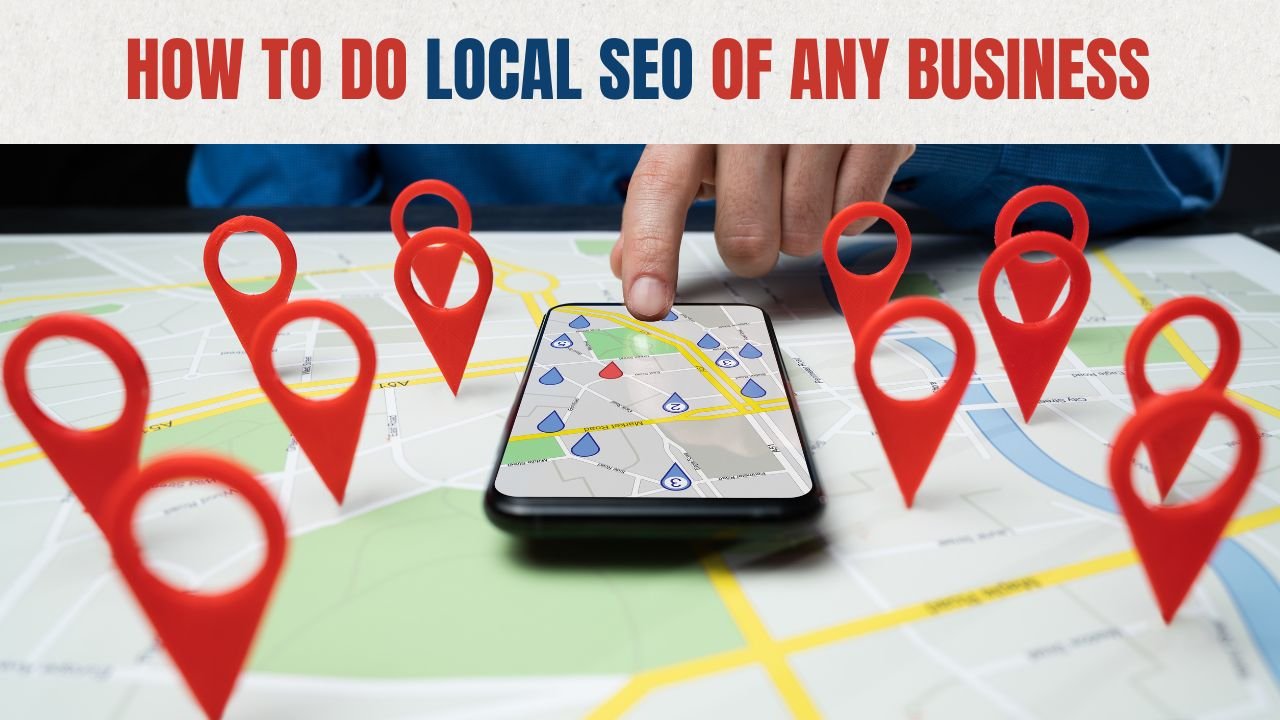
How to Do Local SEO of Any Business

How to Do Local SEO of Any Business: A Step-by-Step Beginner’s Guide

So, you’ve got a business. Maybe it’s a barbershop tucked into the corner of your street, or a tiny café that sells the strongest coffee in town, or who knows an accounting service where you’re just trying to get your first handful of clients. Whatever it is, the question hits: how do I get people in my area to actually find me online? That’s where local SEO comes in. Search Engine Optimization sounds like one of those tech terms you need a 10-week course to understand. But honestly? It’s not rocket science. It’s just the art of showing up when people nearby are searching for what you offer. And truth be told, when I first dabbled in local SEO for a family friend’s restaurant, I had no idea what I was doing. I Googled “best pizza in Lahore,” and their place didn’t even show up… not even on page 5. Funny thing is, they were actually good. Like, really good. But Google didn’t know that. So no one else did either. Anyway, let me walk you through this. Step by step. No fluff, no “guru” talk. Just the real basics that actually move the needle. Step 1: Get Your Google Business Profile (Don’t Skip This) Alright, if you take nothing else from this guide, take this: claim your Google Business Profile (formerly Google My Business). You might laugh, but I’ve seen business owners spend thousands on fancy websites and ads while ignoring this free thing from Google that literally puts them on the map. Like on the map. When people search “plumber near me,” it’s those little map results that pop up first. Setting it up isn’t complicated: Boom. You’re in the game. Pro tip: upload real photos. Not stock images. If you run a bakery, snap a pic of that crooked cake you made at midnight it feels real, and people trust that more. Step 2: Be Consistent with Your NAP No, not the nap where you crash on your couch mid-day. NAP here means Name, Address, Phone number. Google (and people) need consistency. If your website says “123 Elm Street” but your Facebook says “Elm St.” and your Yelp says “123 Elm Road,” Google gets confused. And when Google’s confused, guess what it won’t rank you high. So, make sure your NAP is the same everywhere. Website, social media, directories, receipts even. Copy-paste it if you must. Step 3: Ask for Reviews (and Actually Reply to Them) Here’s the thing people trust strangers online more than they trust your billboard. Weird, right? But it’s true. When I helped my cousin’s dental clinic, the first big jump in new patients didn’t come from ads. It came from reviews. Patients wrote stuff like, “Dr. Ali is so patient, he explained everything” and suddenly new folks were booking appointments. So: A thoughtful reply like, “Sorry about your wait time today, we’ll work on it” can turn a bad impression into respect. Step 4: Local Keywords Matter Okay, here’s where people overcomplicate things. Keywords aren’t about stuffing “best coffee shop in Houston” 20 times in one blog post. It’s about understanding how real people search. Someone might type: Notice how location is baked in. So when you’re writing content (your website, blog, social media posts), sprinkle in those natural phrases. Not robotic, just… conversational. For example, instead of writing: “We provide plumbing services.” Say: “If you’re stuck with a leaky pipe in downtown Dallas at 2 AM, we’ll show up.” Feels human, right? Step 5: Build Local Citations Now, “citation” sounds academic, but don’t panic. In SEO land, a citation is just your business info (NAP again) listed on other sites. Think Yelp, Yellow Pages, TripAdvisor, industry-specific directories. The more consistent mentions you have out there, the more Google thinks: “Yep, this business is real.” And before you ask, no, you don’t need every directory. Just the reputable ones in your niche. Step 6: Make Your Website Local-Friendly Some people argue you don’t even need a website if your Google Business Profile is strong. Maybe. But having a site adds credibility. If you already have one, make sure: I remember helping a small florist. Their site just said, “We deliver flowers.” Cool. But when we changed it to “We deliver flowers across Islamabad same day delivery in F-10, F-11, and Blue Area,” their calls almost doubled. Small tweak, big difference. Step 7: Use Social Media (But Don’t Overthink It) Social media doesn’t directly rank you on Google. But it does keep your brand in front of locals. Imagine someone sees your café on Instagram, then searches for “coffee near me.” Boom, familiarity kicks in. They’re more likely to click your listing. You don’t need to post polished, perfect stuff. Share behind-the-scenes clips, funny mistakes, customer selfies. It’s the authenticity that people like. Step 8: Local Backlinks Are Gold Backlinks are links from other sites to yours. And local backlinks? Even better. Think: These links tell Google, “This business matters in this area.” One time, I worked with a friend’s gym. We reached out to a local fitness blogger, invited her for a free class, and she wrote a review with a link. That single article boosted their traffic like crazy. Step 9: Mobile and Speed (Don’t Ignore This) Here’s a quick fact: most local searches happen on phones. Someone standing outside a shop, typing “best pizza near me.” If your site takes forever to load? They’re gone. So: It’s boring technical stuff, but it makes or breaks you. Step 10: Track and Tweak Here’s where most beginners stop. They set everything up and then… just hope. But you gotta track. If you notice people keep finding you for “wedding cakes,” maybe add a dedicated page for that. Quick Recap (In Messy List Form) Local SEO isn’t magic. It’s really just: That’s it. Not glamorous, but effective. A Little Story to Wrap It Up I’ll leave you with this: a buddy of mine opened a barber shop in a quiet part of

Read More

Seize the Digital Opportunity

Aliquam eros justo, posuere loborti viverra laoreet matti ullamcorpr posuere viverra .Aliquam eros justo, posuere lobortis, viverra laoreet augue mattis fermentum ullamcorper viverra laoreet Aliquam eros justo, posuere loborti viverra laoreet matti ullamcorper posuere viverra .Aliquam eros justo, posere lobortis non, viverra laoreet augue mattis.Aliquam eros justo, posuere loborti viverra laoreet matti ullamcorper posuere viverra Aliquam eros justo, posuere loborti viverra laoreet matti ullamcoper posuere viverra .Aliquam eros justo, posuere lobortis, viverra laoreet augue mattis fermentum ullamcorper viverra laoreet Aliquam eros justo, posuere loborti viverra laoreet matti ullamcorper posuere viverra .Aliquam eros justo, posuere lobortis non Elevate Your Online Presence Aliquam eros justo, posuere loborti viverra laoreet matti ullamcorpr posuere viverra .Aliquam eros justo, posuere lobortis, viverra laoreet augue mattis fermentum ullamcorper viverra laoreet Aliquam eros justo, posuere loborti viverra laoreet matti ullamcorper posuere viverra .Aliquam eros justo, posere lobortis non, viverra laoreet augue mattis.Aliquam eros justo, posuere loborti viverra laoreet matti ullamcorper posuere viverra Aliquam eros justo, posuere loborti viverra laoreet matti ullamcoper posuere viverra .Aliquam eros justo, posuere lobortis, viverra laoreet augue mattis fermentum ullamcorper viverra laoreet Aliquam eros justo, posuere loborti viverra laoreet matti ullamcorper posuere viverra .Aliquam eros justo, posuere lobortis non

Read More

Unlock New Customers and Growth with Powerful SEO

Google is changing faster than most websites can keep up. Even sites with good content and clean design are seeing their rankings drop. Why?Because the web has reached a new stage of saturation. Search is no longer about just publishing “good content.” It’s about proving helpfulness, authority, and unique value in a digital landscape flooded with sameness. Let’s break down why even strong sites are getting deranked and what you can do in 2025 to win back growth. Content Saturation & AI Overuse The internet is drowning in content.Millions of new pages are published daily, many of them produced by AI tools. While AI can speed up writing, it has also created a flood of average, repetitive articles that add little value. Google’s algorithms are tuned to detect patterns in generic AI-driven content. If your site reads like everyone else’s listicles, thin how-to guides, regurgitated tips you risk being pushed down. Key point: Content alone isn’t enough anymore. What matters is original perspective case studies, personal insights, proprietary data, or creative storytelling that AI cannot replicate. Helpful Content System → Core Integration Google’s Helpful Content Update (HCU) started as a standalone ranking factor. In 2023–2024, it became part of the core ranking system. This means: If even 30% of your site is low-value, the rest can suffer. The solution is quality pruning: either rewrite or noindex weak pages. User Signals & Engagement Metrics Google doesn’t just look at your words it looks at how people interact with them. Engagement signals that matter: These user signals are powerful proxies for content quality. Even if you write “perfect SEO text,” poor engagement can send your page sliding down the SERPs. Over-Optimization Triggers Ironically, trying too hard can hurt you. Common pitfalls: Google now detects these over-optimization patterns and interprets them as manipulation. Instead, aim for natural language and thoughtful connections. AI-Driven SERPs & Zero-Click Searches Even if you rank well, clicks aren’t guaranteed anymore. Google’s SERPs are changing: This leads to zero-click searches, where users find what they need without visiting a site. Does this mean SEO is dead? No. But it means you need to target the queries where depth matters, where users want more than a summary tutorials, reviews, comparisons, experiences. YMYL (Your Money, Your Life) Strictness In sensitive niches finance, health, relationships, law Google applies YMYL standards. Here, it’s not enough to write well. You need: Without clear authority, YMYL content is far more likely to get suppressed. Site Reputation & Link Quality Links still matter but not all links are equal. In 2025, link quality > link quantity. Google looks at your brand reputation across the web. Do people talk about your site on forums, social media, and news outlets? These signals often carry more weight than thousands of low-quality backlinks. What Else You Need to Do to Rank in 2025 So, how can you stay ahead? Here’s a practical blueprint: 1. Prioritize Real-World Experience 2. Strengthen Author Bios & Brand Authority 3. Prune or Noindex Weak Content 4. Improve UX Metrics 5. Diversify Traffic 6. Go Deeper into Subtopics 7. Build Community & Engagement Final Thoughts SEO in 2025 is no longer about just writing content. It’s about building trust, authority, and unique perspectives that Google (and users) can’t find anywhere else. If you’re seeing your site deranked, don’t panic adapt.Prune weak content. Showcase expertise. Go deeper. Diversify traffic. The sites that thrive will be the ones that treat SEO not as a trick, but as a long-term strategy for real connection and credibility.

Read More