

preloader icon
Prostavive Colibrim

Prostavive Colibrim: What You Need to Know

Many men come across Prostavive Colibrim while looking for ways to handle prostate troubles. It’s marketed as a natural supplement, something meant to bring comfort as the years add up. Now, the prostate itself is a small gland, but when it starts acting up, life can get frustrating fast. Late-night bathroom trips, a weak stream, or the sense that your bladder is never quite empty, those are complaints most men over forty know too well. The makers of Prostavive Colibrim say their formula can ease these problems. But here’s where the conversation gets tricky: how much of that is marketing, and how much is fact? Even health groups like the NIH point out that while herbs have been used across cultures for centuries, not every remedy has strong scientific proof behind it. Some men like the idea of trying something natural first. Others are more cautious, sticking to doctor-prescribed treatments. Prostavive Colibrim ends up sitting between those two views; it feels like a natural choice, but it also leaves plenty of open questions. Background and Development Why do supplements like Prostavive Colibrim even show up on the shelves? The short answer: guys are looking for easier, natural fixes. Most don’t want surgery or heavy meds unless they really have to. This isn’t just an American thing either. The World Health Organization says people all over the globe turn to herbs for everyday health. Now, here’s where it gets tricky. In the U.S., the FDA keeps an eye on supplements, but companies don’t need to prove that their pills actually work before selling them. The FDA usually steps in only if there’s a safety issue or a company makes wild claims. That leaves the market full of all kinds of products, some helpful, some just hype. Prostavive Colibrim falls into that mix. It’s marketed like other prostate formulas, often built around herbs such as saw palmetto or plant sterols, both studied for years. But without solid published research, no one can say for sure it delivers on the promises. And let’s not forget: “natural” doesn’t always equal “safe” or “effective.” Key Ingredients or Components Many prostate supplements use the same handful of natural ingredients, and Prostavive Colibrim is no different. Let’s break down a few you’ll often see: The bottom line? These ingredients might help, but not everyone notices results. For some men, the change is clear. For others, it’s barely there. Supplements don’t work the same way for everyone, and that’s worth keeping in mind. Claimed Benefits of Prostavive Colibrim Many men notice changes in how they use the bathroom as they get older. The makers of Prostavive Colibrim say their product can help with a few common troubles: stronger urine flow, fewer nightly wake-ups, less pressure in the belly area, and overall support for the prostate. These problems are tied to a condition doctors call benign prostatic hyperplasia, or BPH. It’s not cancer, but it is very common. In fact, government health data shows that about half of men in their fifties have it, and the number climbs to almost nine out of ten by the time men reach their eighties. Now, here’s the catch: no supplement works the same way for everyone. Some men report real relief, while others notice little to no difference. That’s why doctors remind patients to be cautious, know what has good evidence behind it, what still needs more study, and when it’s time to see a professional for advice. Possible Side Effects and Safety Concerns Just because a bottle says “all natural” doesn’t mean it’s risk-free. Supplements can still cause problems for some folks. For instance, a few men complain about an upset stomach or feeling a bit dizzy after taking them. Others get mild headaches, or the herbs clash with medicines they’re already on blood thinners are a big one. And let’s be honest, allergies can show up too, even from plants that sound harmless. Take saw palmetto, for example it can upset your stomach. Beta-sitosterol sometimes makes people feel queasy. Pygeum? That one may bring on stomach cramps or even loose stools. None of these are life-threatening for most users, but they’re still annoying. That’s why doctors keep saying the same thing: if you’re already dealing with blood pressure pills, heart meds, or diabetes drugs, don’t just add a supplement on your own. Always ask first. Consumer Reviews and Market Reception When you read what men say about Prostavive Colibrim, it feels a bit split. A few talk about real relief things like getting through the night without jumping up three times to pee, or finally feeling a steady stream again. But then others shrug and say, “honestly, nothing changed for me.” That back-and-forth is pretty normal with supplements. They don’t hit everyone the same way. What happy users often point out: What the less impressed guys mention: So the takeaway? It can work for some, but it’s not a magic pill. Going in with steady, realistic expectations makes the whole process easier. Regulatory Status and Certifications Supplements aren’t checked the same way as medicines. The FDA doesn’t test every pill before it shows up in stores. They usually step in only if people get hurt or if a company is caught lying in ads. Some brands try to do the right thing. They follow rules called “Good Manufacturing Practices” (GMP). That means the product was made in clean, safe places. A few also brag about being organic or having their stuff double-checked by outside labs. Still, since there’s no big FDA stamp of approval, buyers have to be careful. A smart move is to stick with sellers you trust, look for GMP or third-party test labels, and if anything feels off, report it to the FDA’s MedWatch program. Alternatives to Prostavive Colibrim If Prostavive Colibrim doesn’t live up to the hype, men still have plenty of choices.Doctors often start with the basics. Cutting back on coffee, soda, and alcohol can calm the bladder for some people. It’s simple, costs

Read More


Off-Page SEO

Off-Page SEO: A Complete, Policy-Safe, Data-Backed Playbook

Most people think ranking on Google is just about fixing stuff on your site. You know, titles, keywords, speed… the usual. But that’s only half the game. The other half? It happens outside your website. Search engines don’t just look at your own pages. They also check if other people trust you. That’s where off-page SEO comes in. It’s not about editing your site. It’s more about what others say, share, or link back to. What is Off-Page SEO? Off-page SEO is basically everything you do away from your website that makes it look more trustworthy. Think of it like reputation building. If people talk about your brand, link to it, or even just mention it, Google notices. And honestly, that stuff matters a lot. The big one here is backlinks. When another site links to you, it’s almost like a thumbs-up. But it’s not just links. Reviews, social media shares, guest posts, or even being active in a community all add up. So yeah, off-page SEO is less about tweaking your own pages and more about building a name out there. The stronger your name, the more Google sees you as worth ranking. Why Off-Page SEO Even Matters Okay, so here’s the thing. You can have the prettiest website in the world. Fast, mobile-friendly, all that. But if nobody outside your site cares about it, search engines won’t either. Google’s like… “Cool site, but does anyone actually trust it?” That’s where off-page SEO comes in. Backlinks, for example, are kind of like street cred. If a big site links to you, that’s basically them saying, “Yeah, these guys know what they’re talking about.” And trust me, Google pays attention. It’s not just links, though. Reviews matter. Brand mentions matter. Even how much people share your stuff on socials can make a difference. Think of it as your online reputation score. The better it is, the easier it is to climb search results. Bottom line? On-page SEO makes your site ready. Off-page SEO makes it respected. You need both to win. The Big Players in Off-Page SEO So, what actually counts as off-page SEO? Let’s break it down without the boring textbook vibes. 1. Backlinks These are the big dogs. One solid backlink from a trusted site can do more than a hundred weak ones. Quality beats quantity every time. 2. Social Buzz Yeah, Google says social signals don’t directly rank you, but let’s be real — if your stuff’s getting shared, it’s reaching more eyeballs, and some of those people might link back to you. 3. Brand Mentions Even when a site doesn’t link, just mentioning your brand can help build authority. It’s like free PR that search engines notice. 4. Guest Posting Still works, if you’re smart about it. No spammy stuff. Think “value-packed article on a legit site,” not “random blog farm.” 5. Reviews & Citations If you’re local, reviews are gold. Positive feedback on Google or Yelp can boost trust big time. Off-page SEO isn’t about tricks. It’s about building trust signals all over the internet that point back to you. Off-Page SEO Mistakes You Should Avoid Even with the best plans, it’s easy to slip up. Here are mistakes I see people make all the time: 1. Buying Cheap Backlinks It looks tempting—$20 for 500 links. But those links usually come from spammy sites. Instead of helping, they drag your rankings down. 2. Ignoring Relevance A fashion blog linking to a plumbing site? Google knows it doesn’t make sense. Links need to match your niche to carry weight. 3. Overdoing Anchor Text Some people cram keywords into every backlink. That looks unnatural. Mix branded text, naked URLs, and generic anchors. 4. Forgetting About Reputation If people are leaving bad reviews about your brand, backlinks alone won’t save you. Reputation management is part of off-page SEO. The truth? Quality beats quantity every single time. Measuring Your Off-Page SEO Success Building links and boosting reputation is great. But how do you know it’s working? You track. 1. Domain Authority (DA) & Domain Rating (DR) These numbers show how strong your site looks compared to others. Higher = better, but don’t obsess. 2. Referral Traffic Check how many visitors are coming from other sites. If your backlinks bring no clicks, they’re not doing much. 3. Keyword Rankings When good links land, your main keywords should start climbing in Google. Slow and steady growth is a win. 4. Brand Mentions Are blogs, forums, or news sites talking about your business? Even without a link, mentions help build trust. 5. Conversion Impact At the end of the day, more traffic means nothing if no one buys. Track leads and sales. Off-page SEO isn’t just about numbers. It’s about building authority people and search engines can both see. Quick Tips for SEO Beginners Measuring SEO Success Checking if SEO is really working isn’t as hard as people make it sound. The first thing most folks look at is traffic. If more people show up on your site from Google than last month, you’re heading in the right direction. Rankings matter too. If your page was hiding on page three and now it’s closer to the top, you’ll probably see more clicks. Even small jumps can bring new visitors. Still, traffic and rankings don’t mean much if nobody is taking action. You want to see visitors signing up, calling, or making a purchase. That’s where the real success shows up. Backlinks are another clue. When other websites link to your page without you begging for it, that’s a good sign. Google notices, and it usually helps your site build more trust. Conclusion Look, SEO isn’t some quick magic trick. It takes time. Sometimes way more than you want. At first, nothing really happens. You post, you tweak, and it feels dead quiet. That’s normal. Google just… waits. But here’s the thing: if you keep at it, the changes start adding up. One blog post leads to another. A headline fix makes

Read More
Ohio School Board Suspends High School

Ohio School Board Suspends High School: A Comprehensive Overview

In Ohio, a school board vote has set off a storm. A local high school was suspended, and people are still debating what prompted the board to take such a drastic step. For students, it means classes stopped in the middle of the year. For parents, it’s worry and confusion. And for the community, it’s a big question was this the only way forward? Background of the Issue The school had been under stress for years. Grades were not improving, behavior reports kept stacking up, and teachers said they lacked support. Parents had been voicing concerns at meetings, sometimes heated, sometimes calm, but always pressing for answers. Board members claimed they had tried fixes before program changes, stricter rules, extra help but results were weak. In their view, suspending the school was the final option left on the table. They also said the move was not only about one building but about keeping the district’s overall image strong. Key Events Leading Up to the Vote The story didn’t happen overnight. For months, there were small signs that something big was coming. Teachers complained about safety in the halls. Parents spoke up about kids falling behind in math and reading. Some board members said they couldn’t keep “patching holes” anymore. Then came the meeting that changed everything. The room was full, people standing in the back, some holding papers with questions written on them. The board listed its reasons: low test scores, discipline issues, and failure to meet state standards. After a tense debate, the vote was taken. It wasn’t close. The school was suspended. Silence hit the room before the crowd reacted some clapped, some shouted, and some just sat in shock. Reactions from Parents and Students The decision shook families hardest. Parents worried about where their kids would go next week, next month, next year. Some felt betrayed, saying they had trusted the district to fix problems without shutting doors. Others thought the suspension was the only way their children might finally get a fresh start elsewhere. For students, the emotions were raw. Seniors worried about graduation. Younger kids didn’t want to leave their friends behind. A few admitted they felt the school wasn’t safe and maybe change was needed. But most said they would rather the adults fix things than close their classrooms. How the School Board Explained the Decision The board didn’t walk in smiling. They knew the crowd wasn’t going to like what they had to say. One member started by listing the usual reasons fights breaking out in the halls, kids skipping classes, scores that kept falling no matter what. Another admitted flat out, “We threw everything at this school. Money, tutors, new programs. Nothing stuck.” They kept repeating the same point: keeping the school open wasn’t helping the kids anymore. Closing it felt like the last option on the table. You could hear in their voices they weren’t proud of it. No one cheered. No one looked happy. It felt more like a funeral than a vote. Community Reactions and Divided Opinions The room split in half almost instantly. Some parents clapped, saying the board finally did what needed to be done. Others cursed under their breath, calling it betrayal. That night, people were still talking at diners, in living rooms, even at the grocery store checkout line. Facebook groups lit up with angry posts, while a few tried to organize carpools to other schools. One father said he felt “relieved,” another mother said she felt “robbed.” The divide wasn’t quiet, and it wasn’t going away anytime soon. Impact on Students and Families For the kids, it wasn’t just losing a building. It was losing their spot. Their friends, their teachers, even the old trophy case by the gym all gone in a blink. Some cried when they heard the news. Others just shrugged, maybe because they didn’t know how else to react. Parents had it rough too. Overnight, they were scrambling for answers. Which bus route? Which school has space? What about sports teams, after-school jobs, and younger siblings? One mom said her daughter asked if she’d ever see her best friend again. That broke her. The hardest part? Nobody had a clean solution. Families were left patching together rides, hunting down uniforms, trying to make kids feel safe while their whole world shifted. It wasn’t just about “education.” It was about everything that wrapped around it routines, memories, stability. Long-Term Effects on the Community When a school shuts down, it doesn’t just disappear. The hole it leaves sticks around. The building might sit empty, boarded up, weeds growing through cracks. People drive by and remember pep rallies, first dances, the place they learned to read. Now it’s just quiet. Businesses feel it too. A school brings traffic parents grabbing coffee, kids buying snacks, teachers eating lunch nearby. Without that, shops lose customers. Some close. Streets get emptier. The toughest part is the pride. A town’s school is its heartbeat. Sports teams, parades, fundraisers they tie everyone together. When that’s gone, people feel scattered. Like the center isn’t there anymore. Some folks move away. Others stay but always talk about “how it used to be.” Possible Solutions and Lessons Learned Closing schools hurts, but it also teaches tough lessons. One clear takeaway is planning. Communities can’t wait until numbers drop too far. They need to watch trends early birth rates, family moves, job changes and make plans before it’s too late. Partnerships matter too. Schools don’t always have to stand alone. Districts can share buses, teachers, or even sports programs. It saves money and keeps students learning without cutting everything. Some towns turn old schools into community centers, libraries, or training hubs so the building still serves a purpose. Another lesson is communication. Parents, teachers, and leaders need honest talks. When people feel heard, even hard choices hit softer. The pain doesn’t go away, but the anger lessens. At the core, schools are about people, not just walls. Protecting that spirit is

Read More
On-Page SEO in 2025

On-Page SEO in 2025: The Practical Guide for Beginners

On-page SEO remains one of the most essential aspects of website optimization. While algorithms and search interfaces evolve the fundamentals of on-page SEO content clarity or technical accessibility. The user experience still determine whether your pages rank and attract organic visitors. The key question is: How do you get started and how do you keep improve. This guide explains everything you need to know in 2025 or with practical steps and authoritative references. What Is On-Page SEO? On-page SEO refers to all the elements of your website you can directly control structure and content or metadata, internal linking, and technical accessibility. It different from a off-page SEO (like backlinks) because it happens entirely within your own site. Think of SEO as a bowl of soup. Off-page SEO is the garnish valuable but external. On-page SEO is the broth and ingredients: content and structure. Without them, there’s nothing to build on. Key aspects of on-page SEO include: Why focus on it? Because unlike off-page SEO, on-page optimization is fully under your control, and its impact is immediate. When done well and it increases relevance or improves click-through rates and enhances user satisfaction all of which align with search engine ranking factors documented in Google’s SEO Starter Guide. Why On-Page SEO Matters in 2025 Search engines like Google continue to refine and how they rank content increasingly relying on user experience signals semantic understanding. On-page SEO directly supports both. Research from the World Wide Web Consortium (W3C) also shows that accessibility improvements semantic HTML and alt text or ARIA roles benefit both users and search engines. In practice. sites that rank high tend to perform well across on-page factors and even if not all are direct ranking signals. On-Page SEO Basics: Key Factors Here are 12 of the most important on-page SEO elements: Some of these (HTTPS, speed, mobile) are confirmed ranking factors. Others, like CTR and may not be directly in the algorithm but they improve user engagement leading to indirect ranking benefits. Technical On-Page SEO Indexation and Accessibility The foundation of on-page SEO is making sure your site can be crawled and indexed. In Google Search Console and check for excluded pages under “Coverage.” Important pages should not appear in the “Excluded” list. Misconfigured noindex tags and duplicate content or thin content are common culprits. Site Structure and Navigation Good site architecture helps both crawlers and users. Follow the “three-click rule”: any page should be reachable within three clicks from the homepage. Use: A content hub model (pillar + cluster content) improves topical authority and internal link equity distribution. Page Speed Page speed is a confirmed ranking factor. Use PageSpeed Insights to test key templates (homepage, blog post, product page). Optimize by: Mobile-Friendliness With mobile-first indexing and Google primarily evaluates mobile versions of pages. Responsive design is recommended and tested via the Mobile Usability report in Search Console. Security (HTTPS) Running your site on HTTPS is a ranking signal and improves user trust. Free SSL certificates are available from Let’s Encrypt. Content Optimization Keyword Research and Intent Keyword research remains the starting point, but the focus in 2025 is on topics and intent not just single phrases. Search engines use semantic analysis to match pages to queries and so you should: Titles, Meta Descriptions, and URLs Content Depth and Readability Longer content isn’t always better and but comprehensive content tends to perform well because it answers more user questions. Break text into headings or lists and visuals. Aim for clarity and scanability. Google’s guidance on helpful content stresses writing for people first. Images, Media, and Anchor Text W3C accessibility standards support these practices, ensuring inclusivity alongside SEO. Monitoring, Analytics, and Tools Tools for ongoing on-page SEO include: Regular monitoring helps you fix errors and quickly and adapt to algorithm changes. Common Mistakes to Avoid Conclusion: On-Page SEO as a Continuous Process On-page SEO is not a one-time task. It’s an ongoing practice. Even if you rank first or competitors algorithms evolve. By combining technical best practices with high-quality intent-focused content and future-proof your visibility in both traditional and AI-powered search. Action checklist for 2025: The brands that invest in on-page SEO now will remain visible in tomorrow’s evolving search ecosystem.

Read More
Inside Out 2 Glued to Phone

Inside Out 2 Glued to Phone : What the Film Gets Right About

Inside Out 2 revisits Riley as she moves deeper into adolescence stage where emotions intensify and social life expands. The viral shorthand “glued to phone” captures a real concern many families recognize: how constant connectivity shapes mood, attention, and relationships. While Pixar’s story is fictional, the questions it raises are urgent and evidence-based. Nearly all U.S. teens now have access to a smartphone, according to the Pew Research Center. Policymakers, pediatric experts, and mental-health leaders are studying how digital habits interact with sleep, physical activity, learning, and well-being. This article unpacks the film’s theme using authoritative research from organizations such as Pew, the U.S. Centers for Disease Control and Prevention (CDC), the World Health Organization (WHO), UNICEF, UNESCO, the American Psychological Association (APA), and the U.S. Surgeon General. You’ll find practical context, clear takeaways for families, and links to primary sources only no blogs so you can explore the evidence directly. The Evolution from Inside Out (2015) to Inside Out 2: Childhood to Adolescence The original Inside Out framed childhood through core emotions Joy, Sadness, Anger, Fear, and Disgust while the sequel shifts toward adolescence, when emotion systems become more complex and social evaluation intensifies. Empirically, this is exactly when digital life tends to accelerate. Pew Research Center finds that 95% of U.S. teens report access to a smartphone and extensive access to other connected devices. That ubiquity matters because the teen years already feature rapid neurological, social, and identity development; adding 24/7 connectivity changes the context in which emotions unfold. Global organizations are also reframing “digital childhood” as a structural reality rather than a fad. UNICEF’s recent Childhood in a Digital World work emphasizes both opportunities (connection, learning) and risks (exposure to harm, mental-health stressors), urging data-informed, balanced approaches rather than one-size-fits-all rules. OECD likewise calls for holistic, rights-based policies that improve children’s well-being online and offline. The sequel’s focus on phones and social feedback mirrors that policy trend: not anti-technology, but pro-well-being with attention to design, context, and skills. What “Glued to Phone” Really Means Beyond the Meme “Glued to phone” is a shorthand for heavy, often habitual device use that competes with sleep, movement, in-person time, and focused learning. Clinical bodies avoid the meme and instead examine dose, content, and context. The U.S. Surgeon General’s Advisory reviews evidence linking certain social-media exposures with risks to sleep and mental health, while also noting potential benefits such as connection and identity exploration when use is structured and supported. The APA similarly advises that adolescent social-media use should not interfere with key health behaviors (sleep and physical activity) and that younger adolescents need adult-supported scaffolding, training, and monitoring. In parallel, WHO guidance on sedentary behavior highlights the relationship between recreational screen time and poorer health outcomes when it displaces movement and sleep, two pillars of adolescent well-being. “Glued” is not about demonizing technology; it is about recognizing trade-offs and designing healthier patterns so that screens complement, not crowd out, the foundations of health. New Emotions, New Triggers: How Phones Can Amplify Anxiety, Envy, and More Adolescence brings new emotional textures like anxiety and envy that can be intensified by digital features such as infinite scroll, public metrics (likes, views), and algorithmic comparison. Research syntheses by UNICEF and OECD emphasize that impacts are heterogeneous: risks rise with high exposure to harmful content, negative interactions, and lost sleep; opportunities grow with positive communities, skill-building, and creative expression. In practice, that means the same device can either soothe or stress depending on timing, content, and support. For example, late-night doomscrolling can displace sleep, while a supportive team chat can strengthen belonging. Policy analysis by UNESCO shows many education systems now restrict smartphones during school time to reduce distraction and protect learning, reflecting a pragmatic, context-specific approach rather than blanket condemnation. The film’s “glued to phone” theme maps onto this nuance: it’s not the phone alone, but how it interacts with tender adolescent emotions and the surrounding environment home, school, and peers. The Cultural Relevance: What Data Say About Teens, Phones, and Mental Health Concern about youth mental health pre-dates today’s platforms and was intensified by the pandemic. The CDC’s Youth Risk Behavior Survey (YRBS) reports that many high-school students experienced persistent feelings of sadness or hopelessness in recent years, with disparities by gender and sexual orientation. While mental health is influenced by many drivers (family stress, school climate, violence, economic insecurity), digital life is now a key part of the environment. Pew’s teen device access data clarifies how universal that environment has become. Globally, UNICEF underscores that digital technology can widen inequities (e.g., those without safe access missing opportunities), so solutions must consider both risk reduction and access to supportive resources. The policy takeaway: society should address upstream determinants (sleep, safety, connected relationships, access to help) while improving the digital spaces teens inhabit. That is the cultural backdrop that makes Inside Out 2 feel timely: it reflects a world where phones are normal, but norms for healthy use are still catching up. Pixar’s Creative Lens on a Modern Public-Health Question Pixar often distills complex topics grief, purpose, and parenting, into accessible stories. With Inside Out 2, the studio dramatizes how external stimuli (notifications, social comparison) can tug adolescent emotions. The public-health framing shows up in research terms as sleep sufficiency, physical activity, and supportive relationships. WHO recommends minimizing sedentary recreational screen time and protecting movement, fitness, and cardiometabolic health; the APA calls for developmentally aligned guidance, including family rules that preserve sleep and offline activities. OECD adds a systems perspective, arguing that digital well-being is best advanced when governments, platforms, schools, and families share responsibility. By turning those abstractions into character-driven moments, the film invites families to notice patterns (e.g., “scroll before bed makes mornings harder”) and test small, evidence-aligned adjustments. The creative value is not prescribing a single rule, but sparking conversations that align with what pediatric and policy experts already recommend: prioritize sleep, movement, learning, and connection, then fit screens around those, not the other way around. How Audiences Are

Read More
Colorado Truck Citations I-70 Chain Laws

Colorado Truck Citations I-70 Chain Laws: A Complete Guide

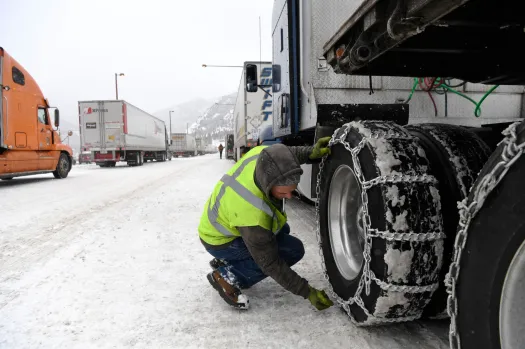
Interstate 70 (I-70) is one of the most important highways in Colorado, stretching across the Rocky Mountains and serving as a major route for commercial trucks. Due to heavy snowfall and icy conditions during the winter months, the state enforces strict chain laws for trucks traveling on this highway. These laws are designed to keep roads safe, reduce accidents, and ensure smooth traffic flow during severe weather. Truck drivers who fail to follow these requirements risk receiving costly citations and fines. Understanding the rules and consequences is essential for drivers, trucking companies, and anyone involved in freight transportation. Overview of Colorado Chain Laws Colorado’s chain laws are specific regulations that apply to commercial vehicles traveling through mountainous areas, especially on I-70. These laws are usually in effect from September 1 to May 31 each year, covering the snow season. When the chain law is active, truck drivers must install chains on their tires to increase traction on snowy or icy roads. There are two main levels of enforcement: Level 1: Applies to single-drive axle trucks. Chains must be installed on the drive tires. Level 2: Applies to all commercial vehicles over 26,000 pounds. Drivers must chain four drive tires at a minimum. These rules are strictly enforced by state authorities to prevent accidents and ensure the safe movement of vehicles on steep and slippery mountain passes. Why the Chain Law Exists on I-70 The I-70 corridor passes through some of the highest elevations in the United States, including the Eisenhower Tunnel at over 11,000 feet. Winter storms in this region can drop heavy snow in just a few hours, making roads extremely hazardous. Without tire chains, large trucks may lose control, block lanes, or cause accidents that shut down traffic for miles. The chain law is designed to reduce these risks by ensuring that vehicles have the necessary traction. It also helps protect other drivers on the road by minimizing the chances of multi-vehicle accidents caused by skidding trucks. Penalties and Citations for Non-Compliance Truck drivers who ignore chain laws on I-70 face significant penalties. Citations can range from hundreds to thousands of dollars, depending on the violation. For example, driving without the required chains when the law is in effect can lead to fines exceeding $500. If a truck blocks traffic because it lacks chains, the fine can be even higher, sometimes more than $1,000. These penalties are not just financial; they also affect a company’s safety record and can lead to delays in shipments. By following the rules, drivers can avoid unnecessary costs and keep their operations running smoothly. Enforcement and Monitoring on I-70 Colorado State Patrol and the Department of Transportation actively enforce the chain law. Patrol officers conduct inspections at chain-up stations along I-70, especially before high mountain passes. Electronic signs are also placed along the highway to inform drivers when the chain law is in effect. Failure to comply is quickly identified because unchained trucks often struggle or cause traffic delays. Regular enforcement ensures that drivers remain accountable and that the road stays as safe as possible during hazardous weather conditions. How Truck Drivers Can Stay Compliant Staying compliant with Colorado’s chain laws requires preparation and awareness. Truck drivers should: Carry chains during the designated season (September 1 – May 31). Check weather forecasts and road conditions before starting trips. Use designated chain-up stations to install chains safely. Train in proper chain installation to save time and reduce mistakes. By following these steps, drivers can ensure they are ready for sudden snowstorms and avoid costly citations. Trucking companies can also play a role by providing regular training and ensuring their fleets are equipped with the correct chains. Safety Benefits of Chain Laws The chain law is not just about avoiding fines—it plays a major role in road safety. Chains significantly improve tire grip on snow and ice, reducing the chances of skidding or jackknifing. This makes roads safer for truck drivers, passenger vehicles, and emergency responders. Additionally, fewer accidents mean less time wasted in traffic delays, which benefits the entire transportation system. For commercial trucking companies, compliance also helps protect valuable cargo and reduce insurance risks. Economic Impact of Non-Compliance Failing to comply with chain laws has financial consequences beyond citations. Traffic blockages caused by unchained trucks can delay shipments for hours, costing businesses thousands of dollars in lost productivity. Highway closures also affect tourism and local economies, especially in mountain towns that rely on winter visitors. By following the rules, truck drivers not only protect themselves but also contribute to the smooth functioning of Colorado’s economy during the winter months. Preparing for the Winter Season Preparation is key for truck drivers who plan to travel on I-70 in the winter. Companies should ensure that all vehicles are equipped with high-quality tire chains and that drivers are trained in their use. Drivers should also familiarize themselves with chain-up station locations along the highway. Keeping emergency supplies, such as blankets, food, and water, is also recommended in case of delays. By taking proactive steps, drivers can stay safe, avoid penalties, and keep their schedules on track during Colorado’s challenging winter driving conditions. Conclusion The Colorado chain law on I-70 is a critical regulation that ensures road safety and traffic efficiency in one of the most challenging driving environments in the country. Truck drivers who understand and follow these rules not only avoid costly citations but also contribute to safer highways for everyone. With proper preparation, training, and awareness, compliance with the chain law becomes a simple yet essential part of winter trucking in Colorado.

Read More
I-75 Power Line Shutdown

I-75 Power Line Shutdown: What You Need to Knowa

The I-75 corridor is one of the busiest highways in the United States, connecting states from Michigan down to Florida. Any disruption along this route, especially involving critical infrastructure like power lines, has wide-ranging effects on transportation, commerce, and public safety. A recent I-75 power line shutdown drew attention to how energy infrastructure and transportation networks are closely tied. This article explores the causes, impacts, and responses to the shutdown, as well as what communities and businesses can do to prepare for similar incidents. Background of the I-75 Corridor I-75 stretches over 1,700 miles, cutting through major cities like Detroit, Atlanta, and Tampa. It is a vital economic lifeline, carrying millions of vehicles each year, including commercial trucks that transport goods across the region. The corridor also supports energy infrastructure, as power lines and substations are often built near or across highways for accessibility. Because of its dual role in mobility and energy, any event affecting I-75 often goes beyond traffic delays—it has the potential to impact households, businesses, and industries across state lines. What Led to the Power Line Shutdown The power line shutdown along I-75 occurred due to damage sustained by critical transmission infrastructure. Causes of such incidents may include severe weather, equipment failure, or construction accidents. In this case, high winds and storm activity played a role, forcing utility companies to shut down the line as a safety precaution. Power lines near highways are vulnerable to extreme conditions, and when damaged, they pose a risk not only to the electrical grid but also to commuters and road safety. This proactive shutdown prevented further hazards, such as live wires falling onto traffic lanes or electrical fires. Impact on Traffic and Commuters The shutdown had immediate consequences for drivers along I-75. Traffic was rerouted to alternate highways, creating congestion in nearby areas. For long-haul truck drivers, the delays resulted in longer travel times and increased fuel costs. Daily commuters faced extended travel periods, which in turn impacted work schedules and local productivity. Traffic management agencies had to deploy additional patrols, signage, and digital alerts to ensure safety. This event highlighted how power and transportation systems intersect—when one fails, the other feels the ripple effects. Consequences for Local Communities and Businesses The shutdown extended beyond traffic. Local communities experienced power outages, affecting schools, hospitals, and small businesses. Businesses dependent on refrigeration, manufacturing equipment, or internet connectivity suffered losses. Hospitals had to rely on backup generators, and schools were forced to either close temporarily or adjust schedules. For residents, the shutdown disrupted daily routines, with some facing food spoilage, communication problems, and safety concerns. Local economies took a hit, particularly in service sectors such as restaurants, logistics, and retail. Emergency Response and Coordination In response to the shutdown, utility providers worked with state and local agencies to restore services quickly. Emergency management teams were deployed to assess damage, repair lines, and coordinate traffic flow. Law enforcement agencies assisted with rerouting, while public works departments focused on clearing debris and ensuring roadway safety. The coordinated response minimized potential accidents and helped restore order within days. This incident underscored the importance of disaster preparedness and interagency cooperation when dealing with infrastructure crises. Long-Term Infrastructure Concerns The I-75 power line shutdown raises questions about the long-term resilience of U.S. infrastructure. Aging power grids and increasingly severe weather events put systems under strain. Modernization efforts, such as upgrading power lines to withstand extreme conditions and burying vulnerable transmission lines underground, are crucial to preventing future disruptions. Additionally, integrating smart grid technology could help utilities detect weaknesses before they cause shutdowns. Investment in both transportation and energy infrastructure will play a key role in reducing the frequency and impact of such events. Safety Measures for the Public Public safety is a priority during infrastructure failures. Drivers should be prepared to follow emergency detours and stay informed through official traffic alerts. Residents are advised to keep emergency kits at home, including flashlights, batteries, and non-perishable food. Businesses can benefit from having continuity plans that include backup power sources and communication systems. Safety awareness and preparedness help communities handle the unexpected without severe disruption. Preventing Future Shutdowns Preventing incidents like the I-75 power line shutdown requires proactive planning. Utility companies must regularly inspect power lines and reinforce them against environmental stress. Governments should prioritize infrastructure investment, focusing on both maintenance and modernization. Communities can also play a role by reporting hazards, supporting sustainable energy policies, and engaging in resilience planning. Together, these efforts can reduce risks and ensure that highways and power systems remain functional during emergencies. Conclusion The I-75 power line shutdown serves as a reminder of how interconnected infrastructure systems are. A single failure in the power grid can create challenges for transportation, businesses, and households. The event highlighted the need for coordinated emergency response, stronger infrastructure investment, and community preparedness. By learning from such incidents, the U.S. can take steps to strengthen both its energy and transportation networks, ensuring greater resilience in the face of future challenges.

Read More
assimilasjon

Assimilation (Assimilasjon) — A clear, evidence-backed guide

Summary: This article explains what assimilation means across social sciences, traces its history, examines theories and language effects, reviews Norway’s historical policies toward minorities, looks at global perspectives and human-rights frameworks, and weighs the benefits and harms. Each section is grounded in authoritative sources (UN, UNESCO, national government pages, major academic reviews). Links are integrated into the text as authoritative anchor text. 1. Innledning: Hva er assimilasjon? (Definition and scope) Assimilation refers to processes by which individuals or groups with different cultural, linguistic, ethnic, or social backgrounds come to adopt the norms, values, practices, and often language of a dominant society. In anthropology and sociology the term often describes more than individual change — it can mean a community-level shift where minority cultural markers become weak or vanish as members adopt majority behaviors. Definitions used in social science emphasize both behavioral adaptation (everyday habits, dress, cuisine) and structural outcomes (education, employment, political participation). Authoritative reference definitions of related terms—acculturation and cultural contact—are helpful: encyclopedic summaries describe acculturation as the exchange and adaptation of customs and beliefs when cultures meet, and they place assimilation as one possible result when the minority adopts the dominant system. Assimilation is often confused with integration, multiculturalism, or acculturation. Integration generally implies two-way accommodation where minority groups keep some original cultural elements while participating fully in society. Multiculturalism emphasizes recognition and preservation of multiple cultures within a polity. Assimilation implies a stronger directional process toward the majority’s cultural patterns and may be voluntary or coerced. Because the concept has normative and political uses, analysts must distinguish descriptive uses (what happens) from prescriptive ones (what should happen). Authoritative lexicons also capture the narrower linguistic sense—when a person’s language use shifts toward the majority tongue—and broader sociopolitical senses. 2. Historiske røtter til assimilasjon (Historical roots) Historically, assimilation has been used as an explicit state policy and as an emergent social process. In many nation-states of the 18th–20th centuries, governments pursued assimilation to build a unified national identity. This often meant promoting a single national language, centralized schooling, and legal measures that favored majority customs. In colonial settings, assimilation frequently took the form of forced cultural change: indigenous populations were pressured or compelled to adopt the colonizer’s language, religion, and institutions. International documentation—especially post-WWII human-rights frameworks—has increasingly recognized that forced assimilation threatens cultural survival and human dignity. The United Nations and UNESCO note that assimilation policies, when coercive, have contributed to language loss, cultural dispossession, and intergenerational trauma among indigenous peoples. European nation-states used schooling, church policy, and civil service language requirements to encourage or force minority groups to assimilate. During the 19th and 20th centuries this occurred across many contexts: from language-standardization projects to formal bans on minority-language instruction. Outside Europe, settler-colonial states implemented boarding schools, land dispossession, and legal restrictions to assimilate Indigenous populations—practices now widely documented in official inquiries and international reports. Contemporary truth and reconciliation processes in several countries have framed these historical policies as violations of cultural and civil rights and have produced official recommendations and apologies. See the UN materials on indigenous peoples’ rights for international context. 3. Assimilasjon i sosiologi og antropologi (Theories and frameworks) Modern social-science research treats assimilation as one outcome in a spectrum of acculturation strategies. John W. Berry’s influential bidimensional model distinguishes four acculturation outcomes based on (1) the degree to which a minority keeps its heritage culture and (2) the degree to which it adopts the host culture: assimilation (adopt host, relinquish heritage), integration (adopt host while keeping heritage), separation (keep heritage, avoid host), and marginalization (lose ties to both). This model is widely used in applied psychology and migration studies because it links cultural strategy to psychosocial outcomes—showing, for example, that integration is often associated with better psychological and sociocultural adaptation than marginalization. Recent reviews and longitudinal studies further refine how context (discrimination, legal status, socioeconomic resources) shapes which strategy individuals adopt. Sociologists study assimilation across several dimensions: structural assimilation (entry into institutions like schools and workplaces), cultural assimilation (language and norms), marital assimilation (intermarriage rates), and identity assimilation (self-identification with majority categories). Empirical studies use indicators—language proficiency, intermarriage, occupational profiles, educational attainment—to measure degrees of assimilation across generations. Research also connects coercive assimilation to negative outcomes: loss of heritage languages, poorer mental-health outcomes tied to discrimination, and reduced intergenerational transmission of traditional knowledge. Thus, theoretical frameworks combine normative descriptions with testable variables to evaluate policy effects. 4. Språklig assimilasjon (Linguistic assimilation and language loss) Language is often the first and most visible domain in which assimilation unfolds. When minority groups shift to a majority language for schooling, employment, or media access, intergenerational language transmission can weaken. UNESCO and related UN analyses show that language loss is not only a linguistic problem but a human-rights and cultural-heritage issue: indigenous and minority languages carry ecological knowledge, customary law, and oral histories. The UN and UNESCO initiatives—such as the International Decade of Indigenous Languages (2022–2032)—aim to prevent language extinction and promote revitalization as a counter-measure to past assimilation pressures. Estimates vary, but linguists agree that a large share of the world’s ~6,000–7,000 languages are at risk. Projections have warned that between 50% and 90% of languages could become severely endangered or extinct by 2100 if current trends continue. Language loss often correlates with cultural disruption, loss of traditional ecological knowledge, and diminished community cohesion. UNESCO’s “Language Vitality and Endangerment” framework provides factors to assess risk (intergenerational transmission, community attitudes, official recognition, availability of materials and education). Policy responses that have shown promise include bilingual education, community-driven documentation, and legal recognition of minority languages in public life. 5. Assimilasjon i Norge: Historiske eksempler (Assimilation in Norway) Norway’s history contains explicit policies aimed at assimilating minorities—commonly referenced as fornorskingspolitikk (Norwegianization). From the 19th century and well into the 20th century, state practices discouraged the use of Sami and Kven languages and favored Norwegian in schooling and administration. These policies had deep effects on language loss and cultural suppression among Sami, Kven, Forest Finns, and other groups. Norway’s own official

Read More
Yalla Choy

Yalla Choy: Meaning, Culture, and Brand Potential

“Yalla Choy” is a modern, hybrid phrase that blends a well-known Arabic colloquialism with an English-style nod to refreshment. The first element, yalla (يلا), is a highly productive colloquial interjection across the Arabic-speaking world meaning roughly “let’s go,” “come on,” or “hurry up.” The second element, choy, evokes the sound and idea of “chai” or “tea” in many languages and in English branding can suggest a warm, social beverage or a relaxed break. Together — whether used as a slogan, café name, or playful catchphrase — “Yalla Choy” implies an invitation: move, gather, and share a moment over tea. The phrase’s appeal comes from this precise tension: energy and motion combined with warmth and conviviality. That makes it useful in branding, café concepts, social media catchphrases, and cross-cultural marketing. Where claims are historical or linguistic, they are supported by academic or established reference sources cited inline. Exploring the Meaning of “Yalla” Yalla is one of the most widely used colloquial Arabic interjections. Its everyday meanings include “let’s go,” “come on,” “hurry up,” and in some contexts simply “okay” or “go ahead.” The form yalla is synchronically fixed in most spoken dialects: it does not conjugate like a verb and functions as an interjection or particle that prompts movement or action. Linguists and reference sources trace the modern shorthand yalla back to an earlier vocative phrase ya Allah (“O God”), which over time was phonologically reduced and grammaticalized into a pragmatic particle used for encouragement rather than an explicit religious supplication. This historical pathway — sacred phrase → colloquial discourse marker — is well documented across studies of Arabic discourse particles and in dictionary etymologies. In practical terms, yalla can be extremely versatile in conversation. Example uses include: Mobilizing a group: “Yalla, let’s go.” Urging haste: “Yalla, hurry up!” Signaling acceptance or closure: “Yalla, I’ll do it.” Because the word has crossed dialectal and national boundaries in the Middle East, it also appears in neighboring languages as a loan interjection (for example, in Israeli Hebrew and certain Levantine varieties). Language contact studies document precisely this kind of borrowing, where a frequent colloquial item is borrowed without altering its basic pragmatic function. This cross-linguistic diffusion helps explain why yalla can feel familiar even to non-Arabic speakers in the region. Unpacking “Choy”: Tea, Comfort, and Brand Imagery The element choy in “Yalla Choy” is a flexible branding token. Phonetically it calls to mind chai/chay/choy — words widely used (and recognizable) around the world for tea — and thus evokes hospitality, warmth, and social rituals tied to beverages. Unlike yalla, which has a documented linguistic history, choy as used in a brand phrase is stylistic: it borrows cultural connotations rather than specific etymological lineage. Because tea is historically and socially central across large parts of West Asia, South Asia, and Eastern Europe, referencing tea in a brand name immediately signals familiarity, slow-time pauses, and hospitality to many audiences. Academic and ethnographic studies of tea culture show how beverages anchor social rituals and public life; drawing on those associations in a name creates instant cognitive shortcuts for potential customers. From a marketing perspective, choy is useful because it helps shift yalla’s urgency into a softer, more sociable register. Where yalla alone might prompt motion, yalla choy implicitly says: “Move — but to a friendly pause.” That makes the phrase suited to café branding, pop-up events, and social campaigns that want to combine momentum with hospitality. Used visually and verbally, choy imagery (tea cups, steam, joined hands) reinforces messaging about community and relaxed gatherings, while yalla keeps the tone contemporary and lively. Cultural Resonance: Why “Yalla Choy” Works Three forces combine to make “Yalla Choy” culturally resonant: Familiarity of yalla across the Middle East and immigrant communities. Because yalla has diffused into several regional languages and diasporic speech communities, it carries a sense of shared informal culture. Loanword and language contact scholarship confirms widespread borrowing of everyday interjections between Arabic and neighboring languages; frequent, highly pragmatic words are especially likely to transfer. This helps yalla function as a cross-community attention-grabber. Global appeal of tea rituals. Tea is both ubiquitous and symbolic in many cultures. Anthropological work on foodways shows that shared beverages form social glue: they host conversations, negotiations, and informal business. A phrase that pairs an energetic interjection with a tea reference signals both immediacy and availability for social connection. Modern branding preference for hybrid, mnemonic names. Contemporary café, hospitality, and lifestyle brands often choose short, bilingual or hybrid names that suggest story, place, and attitude. Yalla Choy fits this pattern: it’s short, rhythmic, easy to say, visually distinctive, and primed for logo treatments. This makes it effective in both physical signage and digital presentation (social bios, hashtags, and ad copy). As a cultural signal, yalla choy does more than name a product. It frames an experience: the call to action is accompanied by the offer of shared comfort. That duality—motion plus pause—resonates particularly with urban audiences balancing fast lifestyles and a desire for meaningful social spaces. How “Yalla Choy” Appears in Café Concepts Applied to a café or tea shop, “Yalla Choy” can support a distinct service concept that balances speed and hospitality. Key operational and design elements consistent with the phrase include: Service model: Quick counter service for takeaway during rush hours, plus comfortable seating and table service for lingerers. Menu framing: A compact menu focusing on tea varieties from relevant regions (e.g., Levantine, South Asian, and specialty blends), complemented by light snacks and shareable plates. Ambience: Warm, tactile materials (wood, ceramics, textiles) and graphic treatments that combine modern typography with traditional motifs. Community programming: Short-form events like micro-talks, music nights, and language cafés that encourage people to gather for brief but meaningful social exchange. Operationally, the brand can be designed to serve two customer journeys: (1) a fast, “yalla” journey for busy customers (efficient ordering and takeaway), and (2) a slower “choy” journey for patrons who want comfort and conversation. This dual offering mirrors mixed revenue strategies used in successful urban

Read More
Blazertje

Blazertje: A Complete, Evidence-Based Guide to the Casual Blazer

In Dutch, blazertje is the diminutive of “blazer,” used to describe a lighter, more casual blazer jacket that bridges everyday wear and business-casual style. Unlike a structured suit jacket meant to be worn with matching trousers, a blazertje is designed for versatility: it layers over jeans, chinos, dresses, or skirts and adapts to changing seasons through fabric choice (cotton, linen, wool blends, or technical fibers). The term reflects a broader European approach to smart-casual dressing, where a tailored silhouette is combined with comfort. Etymologically, “blazer” itself has deep roots in British fashion culture; the Oxford English Dictionary documents the noun blazer in English from the 17th century and traces later senses to sporting and club contexts—important background for understanding how the casual blazer evolved into today’s blazertje. Culturally, nautical style helped popularize tailored jackets in civilian wardrobes during the 19th century. Museums of maritime history record how royal patronage and naval motifs influenced mainstream dress—context that helps explain why lightweight, unstructured blazers caught on far beyond formal uniforms. Royal Museums Greenwich, for example, highlights Queen Victoria’s role in sparking nautical fashion trends that diffused into general attire in the mid-1800s. Key takeaways Blazertje = a lightweight, casual blazer with everyday flexibility. The blazer’s name and cultural influence have historical depth across clubs, sport, and nautical dress. 2) Historical Background of the Blazer The blazer’s origin is commonly tied to 19th-century British club and rowing culture and to naval style. An authoritative strand of the story connects the term “blazer” to the scarlet jackets of Lady Margaret Boat Club (LMBC) at St John’s College, Cambridge—“blazers” that stood out for their blazing red color. St John’s official communications note the club’s distinctive red blazers and explicitly reference the association between the garment and the term “blazer,” which was recorded in late-19th-century press. Alongside club culture, the broader popularity of nautical motifs in civilian dress expanded the appeal of tailored jackets. Royal Museums Greenwich documents how Queen Victoria’s endorsement of sailor-style dress in the 1840s catalyzed a wave of nautical fashion, helping normalize naval silhouettes and detailing in city clothing. This social diffusion royal court to wider society set the stage for semi-formal jackets to be worn outside strict uniform contexts. The OED’s historical record shows “blazer” in English earlier than these club associations, which indicates the word’s meaning has layered over time; later senses in the 1800s align with the jacket we recognize today. Together, academic and museum sources suggest that the modern blazer emerged from overlapping influences: university and rowing clubs (with bold colors and piping), naval chic (buttons, stripes, blues), and the gradual relaxation of dress codes. These currents, reframed for comfort and everyday wear, underpin the contemporary blazertje. 3) Difference Between a Blazer and a Blazertje A traditional blazer is a tailored jacket that sits between a suit jacket and a sport coat in formality. It often features structured shoulders, lining, and formal details (metal buttons, peak or notch lapels) and is usually made from worsted wool or heavier blends. A blazertje keeps the core silhouette but relaxes structure to prioritize comfort and versatility: lighter canvassing or none at all, partial lining or unlined construction, softer shoulders, and seasonal fabrics like cotton twill or linen for summer and brushed wool or knit blends for cooler months. From a textile standpoint, fabric choice shapes performance: Cotton offers breathability and easy care; it dominates global natural fiber markets and is extensively classified by technical properties (length, strength, micronaire) in official USDA systems—useful markers of durability and drape in casual jackets. Wool regulates temperature and resists wrinkles; FAO reporting shows long-term dynamics in wool production relative to other fibers, reflecting availability and price considerations that influence what’s in stores each season. Linen (flax) excels in moisture wicking and cool wear but wrinkles readily, which is why many blazertjes blend linen with cotton or viscose for balance, as described in university extension materials that profile fiber properties. In practice: wear the blazer when you need sharper structure (presentations, semi-formal events). Choose the blazertje when you want polish with comfort and easy mixing across your wardrobe, especially for business-casual, travel, and weekends. (Sources above for fabric performance and markets.) 4) Fabrics and Styles of a Blazertje Choosing the right blazertje starts with understanding fibers and construction: Common fibers & what they mean Cotton (and cotton blends): breathable, versatile, and widely available; the USDA tracks global cotton markets and details fiber classification criteria that drive quality and pricing for downstream apparel. Cotton’s strength and staple length influence how crisp or relaxed a casual blazer feels. Linen (flax): excellent wicking and quick-drying, ideal for summer; wrinkles more than cotton, an inherent property noted in university extension guidance. Wool (including lightweight worsted or tropical wool): naturally thermoregulating and resilient; FAO analyses show long-term shifts in wool relative to other fibers that affect seasonal supply and price. Synthetics (polyester, nylon, elastane blends): add durability, stretch, and wrinkle resistance; university extension overviews summarize these fibers’ quick-drying and abrasion-resistant behavior—useful in travel-friendly blazertjes. Construction & style notes Unstructured or soft-shoulder builds create the hallmark casual drape. Unlined or half-lined interiors improve breathability. Seasonal weaves (seersucker, hopsack, twill) tweak airflow and texture. For sustainability and safety, look for credible product labels. The EU Ecolabel for textiles sets science-based criteria on chemicals, durability, and environmental impact; the European Commission hosts criteria and factsheets that consumers and brands can consult. These frameworks help ensure a blazertje meets verified performance and environmental standards beyond marketing claims. 5) How to Style a Blazertje A blazertje works because it simplifies smart-casual dressing. Use these evidence-informed, fabric-aware tips: Men Pair cotton or hopsack blazertjes with chinos or dark jeans and a breathable knit (polo or merino t-shirt). For warm weather, linen blends mitigate heat; their wicking and quick-dry properties are well documented in extension resources—packable and easy to refresh after travel. In cooler months, lightweight wool helps regulate temperature while resisting creasing during commutes. FAO’s long-view on wool underscores why lightweight wool remains a performance staple.

Read More